Full Body Massage in Manchester
Got knots? Consider them gone.
Our signature massage goes beyond relaxation
This powerful selection of Massage techniques combines long, circulation-boosting deep pressure to target chronic pain and release stubborn knots.
Perfect for recovery from sports injuries and reducing muscle scar tissue, each session is 100% tailored to you. Walk in, get the relief you need, and walk out feeling better than ever.
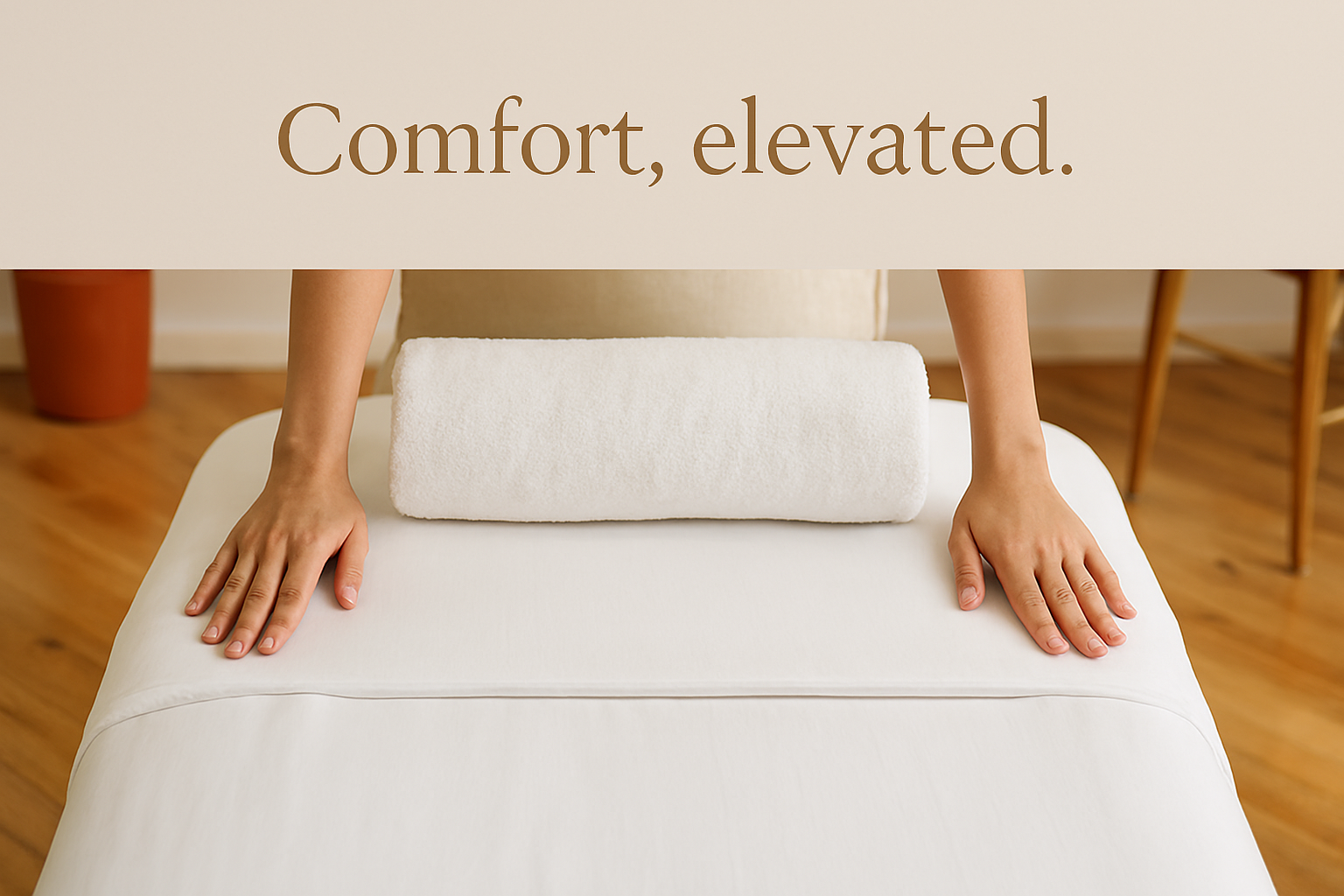
The very best massage of your life.
What is a Full Body Massage?
A full-body massage is a therapeutic bodywork session that combines various massage techniques (kneading, stroking, gliding, friction, percussion, vibration, and compression) to provide relief from stress, tension, pain and other ailments while promoting relaxation and well-being.
What is usually included in a Full Body Massage?
A typical full body massage covers all areas of the body, including your head (scalp, crown, temples, forehead), neck (sternocleidomastoid, scalenes, trapezius), shoulders (rhomboid, rotator cuff muscles), arms and hands, back (upper, middle, lower), hips (glutes, piriformis) legs (calves, hamstrings, quadriceps), and feet.
We use a blend of soothing essential oils to help calm and relax your body during the massage. We also provide comfortable lavender eye pillows for complete relaxation.
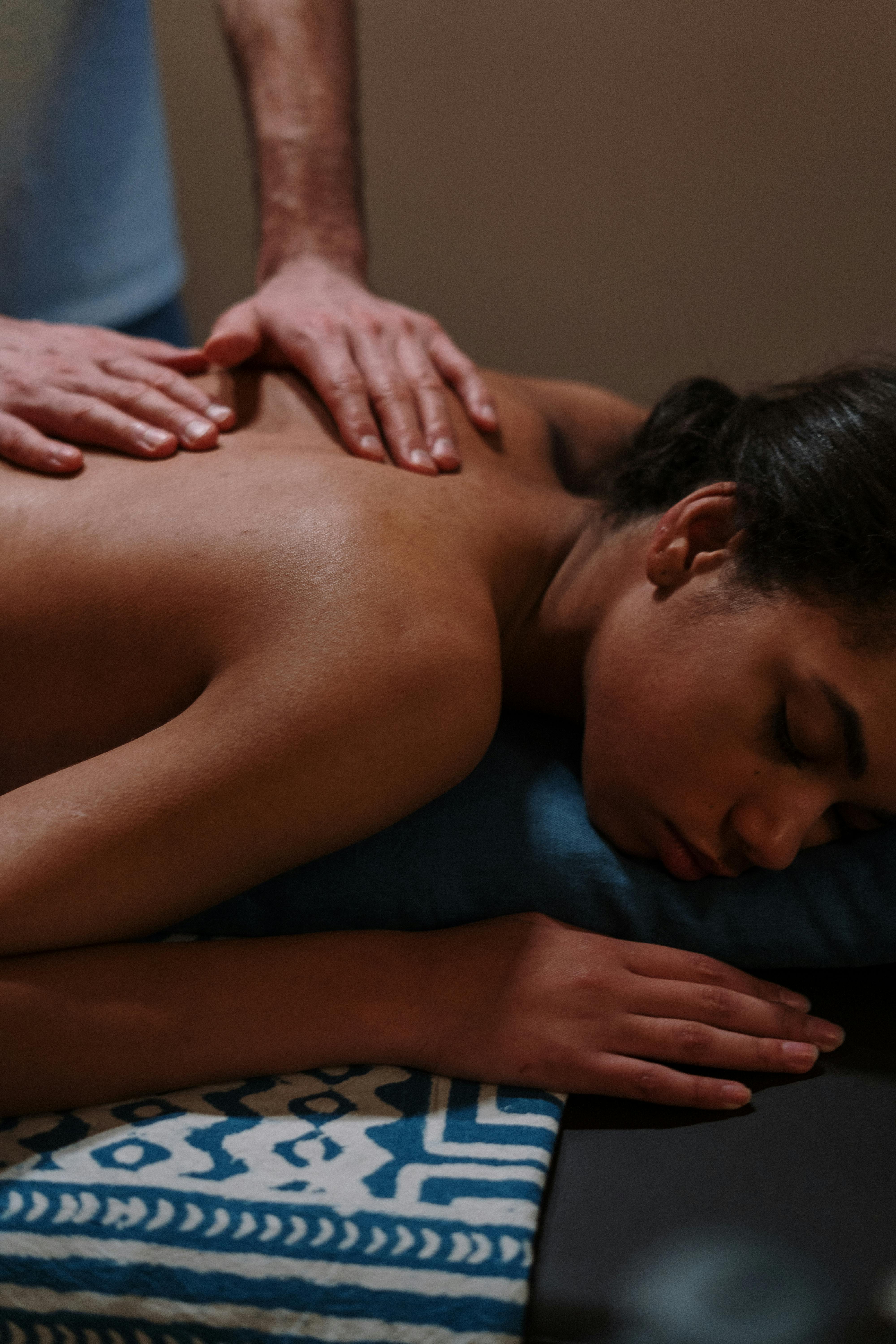
Once the massage oil has been applied, the therapist will begin to employ a series of strokes to warm up your body (starting with your neck, shoulders and back) and will slowly work through your major muscle groups to relieve stress, tension and tightness. By the time massage is over, your entire body should feel relaxed, rejuvenated and renewed.
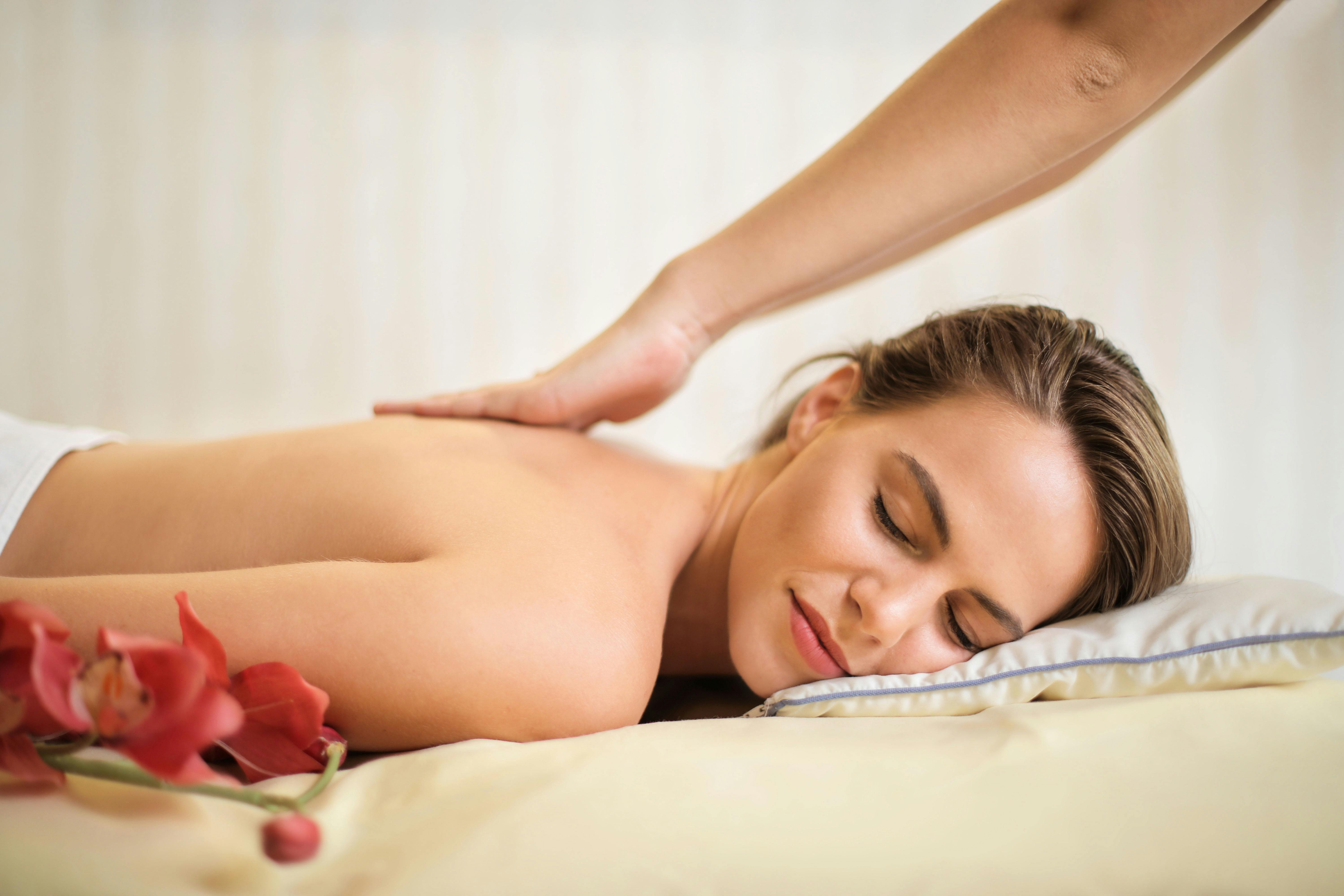
What are the Benefits of a Full-Body Massage?
While a full-body massage can be therapeutic and enjoyable, the benefits go far beyond relaxation. A full body massage can help with:
Lower Back Pain
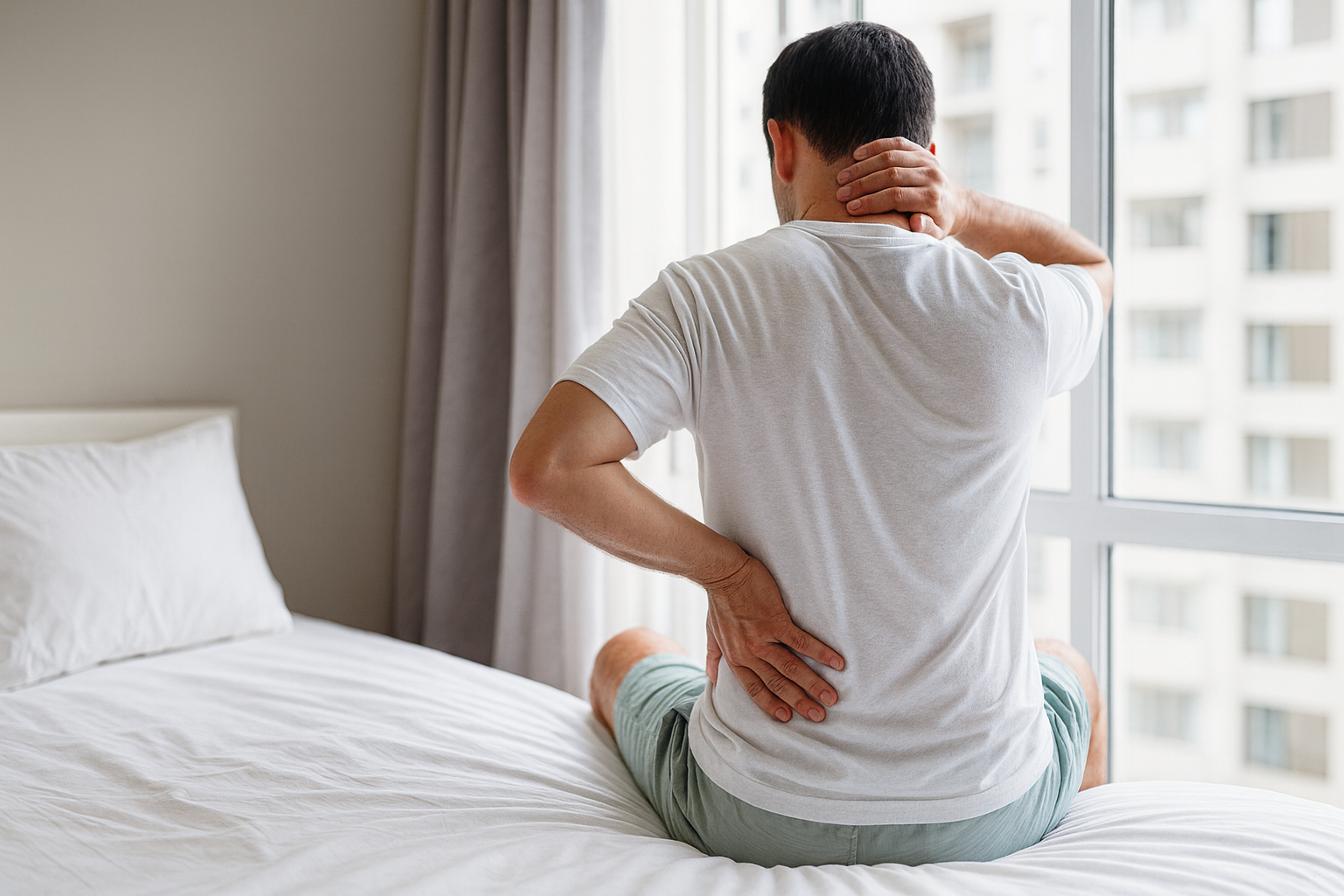
A full body massage can help alleviate tight muscles and eliminate pain in the lower back area. The major cause of lower back pain is often muscle tension. By stretching and massading the muscles, a full body massage can help to loosen and relax these tight muscles, reducing the back pain.
Nerve Pain
A full body massage can help alleviate nerve pain in two ways. First, it can help relax tense muscles. Tense muscles often put pressure on the nerves, resulting in pain. Relaxing those muscles through a massage reduces the pressure on nerves. In turn, this helps relieve nerve pain.
Secondly, massage therapy helps stimulate the release of endorphins. Enforphins are the body's natural painkillers and can help reduce nerve pain.
Digestive Disorders
Massage therapy can be benefical for digestive disorders, such as irritable bowel syndrome.
Massage therapy can help stimulate the movement of the large intestine and relax tight muscles in the abdomen, allowing the body to pass through gas and waste more easily. This can help alleviate symptomes of digestive disorders and improve overall digestive health.
Anxiety
A full-body massage can help reduce symptoms of anxiety. By deeply calming the body and allowing it to relax, massage can help lower cortisol levels and increase serotonin levels, which help reduce stress and improve mood.
Others
In addition to the aforementioned benefits, a full body massage can help with other conditions like neck and shoulder pain, scoliosis, carpal tunnel syndrome, TMJ, headaches, osteoarthritis, and fibromyalgia. Also, when practiced regularly, it may even reduce blood pressure, and improve overall wellness.
Types of Massage
A massage can be tailored to meet your indivitual needs Depending on what you are looking for, there are several types of massage available, Including;
Deep Tissue Massage
Deep tissue massage targets deeper layers of muscle and fascia to resolve chronic tension and postural tightness. Therapists use slower strokes, sustained compression, myofascial release, cross-fibre friction, and trigger-point work. The goal isn’t brute force; it’s precise, tolerable intensity that lets tissues soften and range of motion improve. Expect focused work on the neck, shoulders, back, hips, and calves, with occasional stretching to integrate changes. It can relieve desk-neck, low-back ache from overuse, and stiffness from training. Mild soreness afterward is normal; hydrate and move gently to reduce it. Communicate your comfort level—sharp, nervy pain means the approach should change. Avoid during acute inflammation, bruising, uncontrolled blood pressure, or soon after surgery without medical clearance. Excellent between workouts and as part of a corrective plan.
Sports Massage
Sports massage supports training cycles and active lifestyles with goal-based work before, during, or after activity. Pre-event sessions are brief, stimulating, and movement-oriented to prime muscles and the nervous system. Post-event work is gentler, encouraging circulation, waste clearance, and recovery. In regular maintenance, therapists blend deep tissue, cross-fiber friction, assisted stretching, PNF, and joint mobilization to improve flexibility, reduce adhesions, and address imbalances. Sessions often focus on hips, hamstrings, calves, shoulders, and forearms depending on the sport, with homework such as mobility drills or self-massage. Benefits include faster recovery, better range of motion, and fewer overuse niggles. Communicate about training load and competitions so pressure and timing fit your plan. Avoid directly over acute strains, severe inflammation, or open blisters; work nearby until tissues settle.
Swedish Massage
Swedish massage is the classic relaxation style built on five core strokes: effleurage (long gliding), petrissage (kneading), friction, tapotement (percussive), and vibration. Using light-to-medium pressure with warmed oil or lotion, it calms the nervous system, improves circulation and lymph flow, and eases everyday aches from desk work, travel, or general stress. Therapists usually work head-to-toe in smooth, continuous sequences that feel soothing and predictable. You can request areas of focus, but the priority is whole-body relaxation rather than deep corrective work. It’s great for first-timers, sensitive clients, and anyone wanting better sleep and a gentle mood reset. Avoid immediately after acute injury or fever; otherwise, it’s widely adaptable and can be customized with lighter or firmer pressure.
Oil Massage
Oil massage is a relaxation-focused treatment built around generous, skin-nourishing glide from warmed plant-based oils. With light-to-medium pressure (and the option for firmer work), it hydrates the skin, calms the nervous system, supports circulation, and eases everyday stiffness from work, travel, or stress. Therapists work head-to-toe in smooth sequences; the oil enables continuous, rhythmic strokes. You can request areas of focus, but the priority is whole-body comfort and moisture rather than deep corrective work. It’s great for first-timers, dry or sensitive skin, and anyone seeking better sleep and a gentle mood reset. Avoid immediately after acute injury or fever; also disclose nut or fragrance sensitivities. Otherwise, it’s adaptable and customizable with unscented or aromatherapy oils and light or firm pressure.
How Often Should You Get A Massage?
The frequency of massage depends entirely on yur needs and preferences. We recommend getting a massage once a week if you are working on a specific injury or pain issue. This will help to reduce the pain and promote quick healing in your body.
If you are looking to de-stress or just want to relax, then a massage every 4-6 weeks should be enough.
Are you an athlete or an active individual who suffers from strain or tension more frequently? Then we recommend a massage every 1-3 weeks to keep your body in optimal condition.
Also, for pregnant people, due to changing hormone levels and shifting posture, we recommend having a massage every 1-2 weeks top help alleviate pregnancy-related aches and pains as well as reduce anxiety and stress that comes with pregnancy.
We always sat:"you don't wait for your car to break down before you change the oil". Massage is an important part of injury prevention.
Whatever your needs, our massage professionals will work with you to customize a massage therapy plan that suits your individual needs
Frequently Asked Questions
What You Should Not Do Before A Full Body Massage?
It is important to refrain from eating a heavy meal, drinking alcohol or coffee, comsuming any kind of stimulant (such as energy drinks or pre-workouts), or taking any type of medication right before your massage. These can all make you feel uncomfortable during the massage
Instead, we suggest you eat a light snack about an hour or two before the massage session, drink plenty of water, and arrive a few minutes early, so you have time to relax and get comfortable before the massage begines.
What Should You Not Do During A Massage?
If you feel uncomfortable or in pain during the massage, let your therapist know so they can adjust their techniques accordingly.
Also, inappropraite comments or should be touching is strictly prohibited during a massage session as this is a professional setting. We recommend that you always follow our policies and rules to ensure a respectful, professional atmostphere during the massage session.
Are Full Body Massages Worth It?
Absolutely! Full-Body massage therapy is a great way to relieve pain, de-stress, relax and reduce tension in the body. It can also help improve flexibility and range of motion, reduce pain and inflammation, improve circulation, and much more. We believe that full body massages are a great way to care for your body and mind and that everyone should make time for self-care
Do Full Body Massages Include Front?
Yes, a full-body massage includes both the front and back of your body.
Our session typically starts with you laying on your stomach and your therapist massaging the back of your body as they slowly work their way down to your legs and feet. They then turn yur over onto your back and massage they way back up your body, focusing on the feet and legs, arms and hands and concluding with your head and neck areas.
Do I Need To Shave Before A Massage?
No, it's not neccessary to shave prior to getting a massage. In fact, most massage therapists won't even notice if you have shaved or not. A massage clinic won't require you to shave before a massage, so it's entirely up to you if you want to or not.
Can Massage Therapists Feel Knots?
Yes, massage therapists can feel muscle knots (also called adhesions) and tension during a massage. The skill of feeling for knots is called Palpation. Licensed Massage Therapists study the art of palpation for many hours in school, which is why they can easily identify areas with adhesions (knots). If they find any knots or resistance in the tissue, they will often use various techniques to help release the tension and help you relax.